
Sunrooms Comfortable Every Month of the Year
Custom Sunrooms in Dumfries for Northern Virginia homes needing climate-controlled spaces during summer heat and winter cold
Three-season sunrooms sit unused for months because they overheat in summer or freeze in winter, wasting the investment. New Solutions Developments builds four-season sunrooms in Dumfries with proper insulation, HVAC integration, and weatherproofing that maintains comfortable temperatures year-round. Northern Virginia's temperature range—from summer highs near 100 degrees to winter lows in the teens—requires actual climate control rather than just windows and a roof. Licensed contractors handle mechanical system integration so your sunroom connects to existing HVAC rather than relying on space heaters and fans.
True four-season construction involves insulated roof panels and walls rated for Northern Virginia's climate zone, HVAC ductwork extended from your existing system or supplemental heating and cooling installed if loads exceed current capacity, and weatherproofing at all connections between the addition and existing house structure. This prevents the temperature extremes that make conventional sunrooms unusable during the hottest and coldest months, creating actual living space instead of seasonal storage areas.
Schedule a home evaluation to determine how sunroom addition affects your current HVAC capacity and what insulation specifications your climate control needs require.
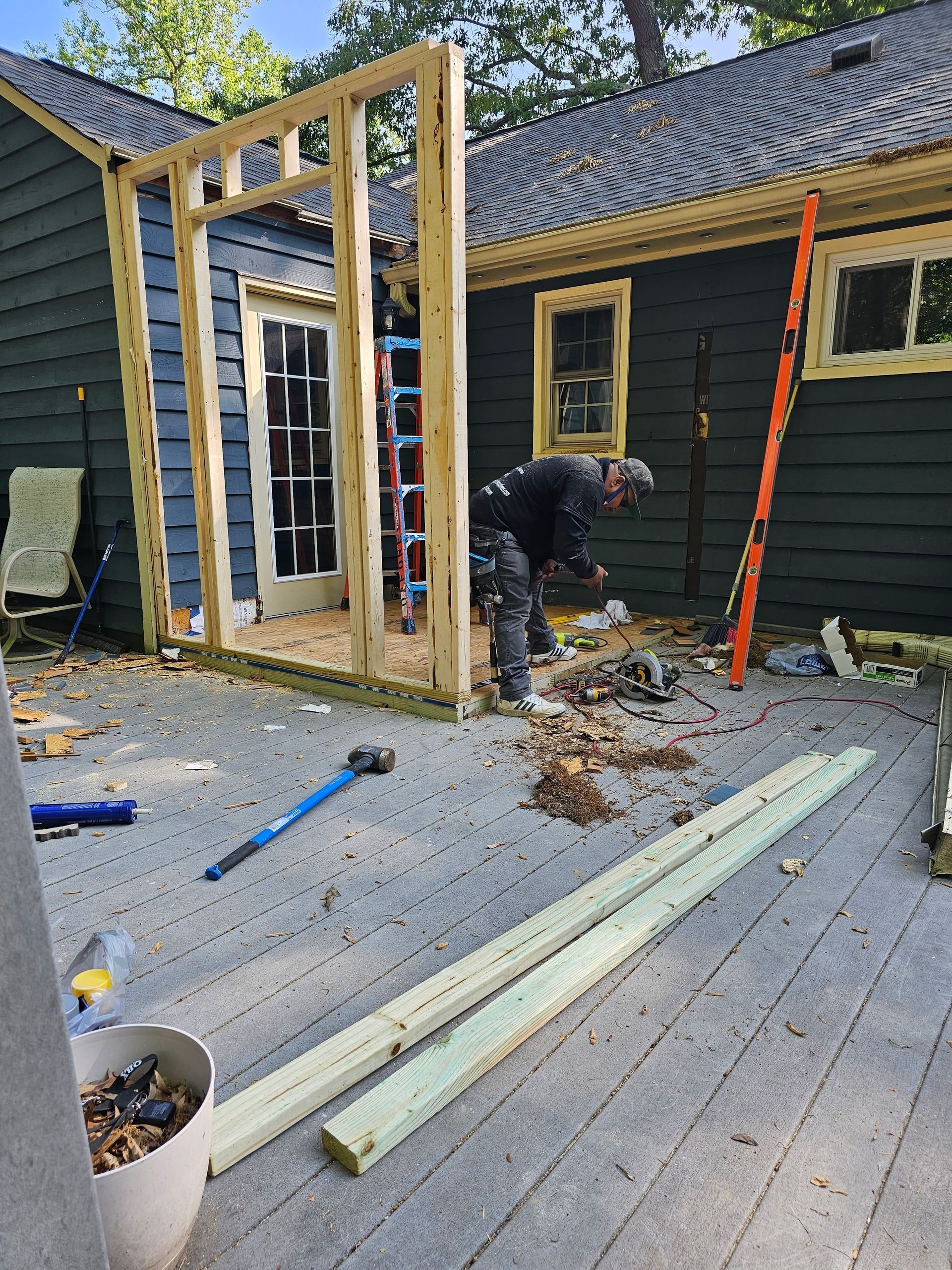
What Four-Season Construction Actually Accomplishes
HVAC integration means extending ductwork to the addition and calculating whether your existing system handles the increased load or needs supplemental capacity through mini-split systems or equipment upgrades. Insulation in roof and wall sections prevents heat loss during winter and heat gain during summer that overwhelm temperature control, using values appropriate for heated living space rather than uninsulated porch construction. Weatherproofing at connection points between addition and house prevents air infiltration that causes drafts and moisture problems where new construction meets old.
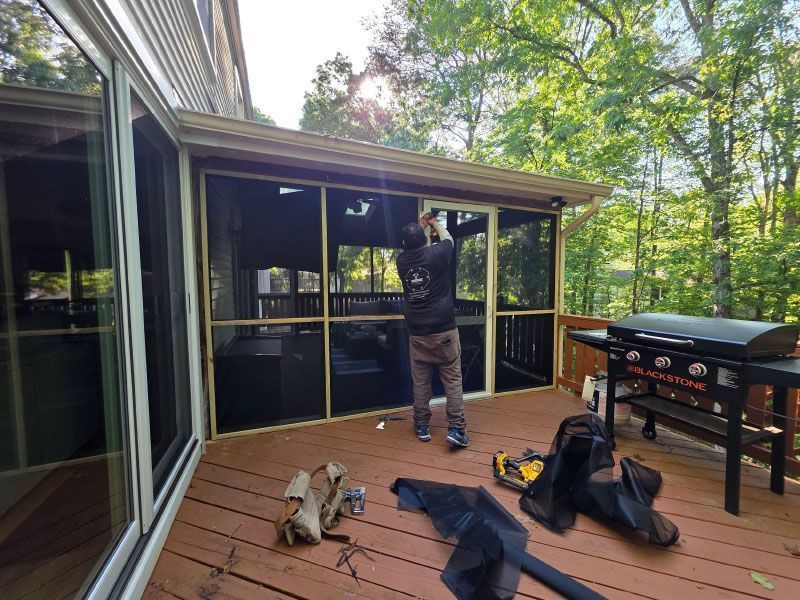
Once construction completes, you'll notice the sunroom maintains temperatures within a few degrees of the rest of your home regardless of outdoor conditions, windows don't develop condensation during winter from temperature differentials, and the space stays comfortable without running separate heating or cooling equipment. The room functions as actual living area during January cold snaps and August heat waves, not just during spring and fall. You can use the space for home offices, dining areas, or sitting rooms without seasonal limitations.
This approach includes structural assessment before construction to ensure your foundation and existing walls support the addition properly, with all work performed by in-house crews rather than coordinating between separate framing, HVAC, and weatherproofing contractors. Bilingual capabilities mean Spanish-speaking homeowners communicate directly about design preferences and mechanical system options throughout the project.
Common Questions About This Service
These questions come up regularly when homeowners are deciding between three-season and four-season sunroom construction for Northern Virginia properties.
What distinguishes four-season sunrooms from three-season versions?
Four-season construction includes insulation rated for heated spaces, integration with home HVAC systems, and weatherproofing standards matching primary home construction, while three-season versions use minimal insulation and often lack climate control beyond windows and ventilation.
How does HVAC integration work for sunroom additions?
Licensed contractors extend ductwork from existing systems when capacity allows, calculate heating and cooling loads for the additional square footage, install supplemental mini-split systems if needed, and balance airflow to maintain consistent temperatures throughout the expanded home.
Why does Northern Virginia climate require different insulation than milder regions?
Summer temperatures reaching the upper 90s and winter lows in the teens create a roughly 80-degree temperature swing, requiring insulation values that prevent excessive heat transfer and keep HVAC equipment from running constantly.
What weatherproofing prevents moisture problems at connection points?
Flashing at roof intersections, properly sealed transitions between old and new walls, and continuous air barriers prevent water infiltration and air leakage where addition meets existing house, eliminating drafts and moisture damage that develop at poorly integrated connections.
When does existing HVAC equipment need upgrading versus just extending ductwork?
Systems already running near capacity or serving homes above 2,500 square feet typically need supplemental equipment rather than larger loads on existing furnaces and air conditioners, with load calculations determining whether extension or supplementation makes sense.
New Solutions Developments operates as a licensed contractor handling all aspects of sunroom construction from mechanical system integration through final trim, with everything completed in-house. Call (202) 235-4786 to discuss your home's HVAC capacity and sunroom design options.