
Decks Built to Last Northern Virginia Winters
Custom Decks in Dumfries for properties where drainage problems and freeze-thaw cycles damage outdoor structures
Water stagnation under decks causes rot, attracts termites, and creates foundation problems that spread beyond the deck itself. You're seeing water pooling near your foundation after storms, downspouts draining directly against the house, or an existing deck that's rotting prematurely because drainage was never addressed. New Solutions Developments assesses the entire drainage system before deck construction in Dumfries, installing French drains, redirecting downspouts, and setting footings below frost line to prevent heaving during Northern Virginia's freeze-thaw cycles. Licensed contractors handle foundation work that prevents water problems rather than just building over existing drainage issues.
Proper deck construction starts below ground with footings extending below the frost line—typically 30 inches deep in this region—to prevent winter frost heaving that shifts posts and cracks connections. French drains get installed around the deck perimeter where needed to move water away from the structure, and downspouts get extended or redirected so roof runoff doesn't flow under the deck where it can't dry out. This prevents the standing water conditions that rot joists and ledger boards within a few years even when pressure-treated lumber gets used.
Request a property drainage assessment to determine what water management your deck construction requires.
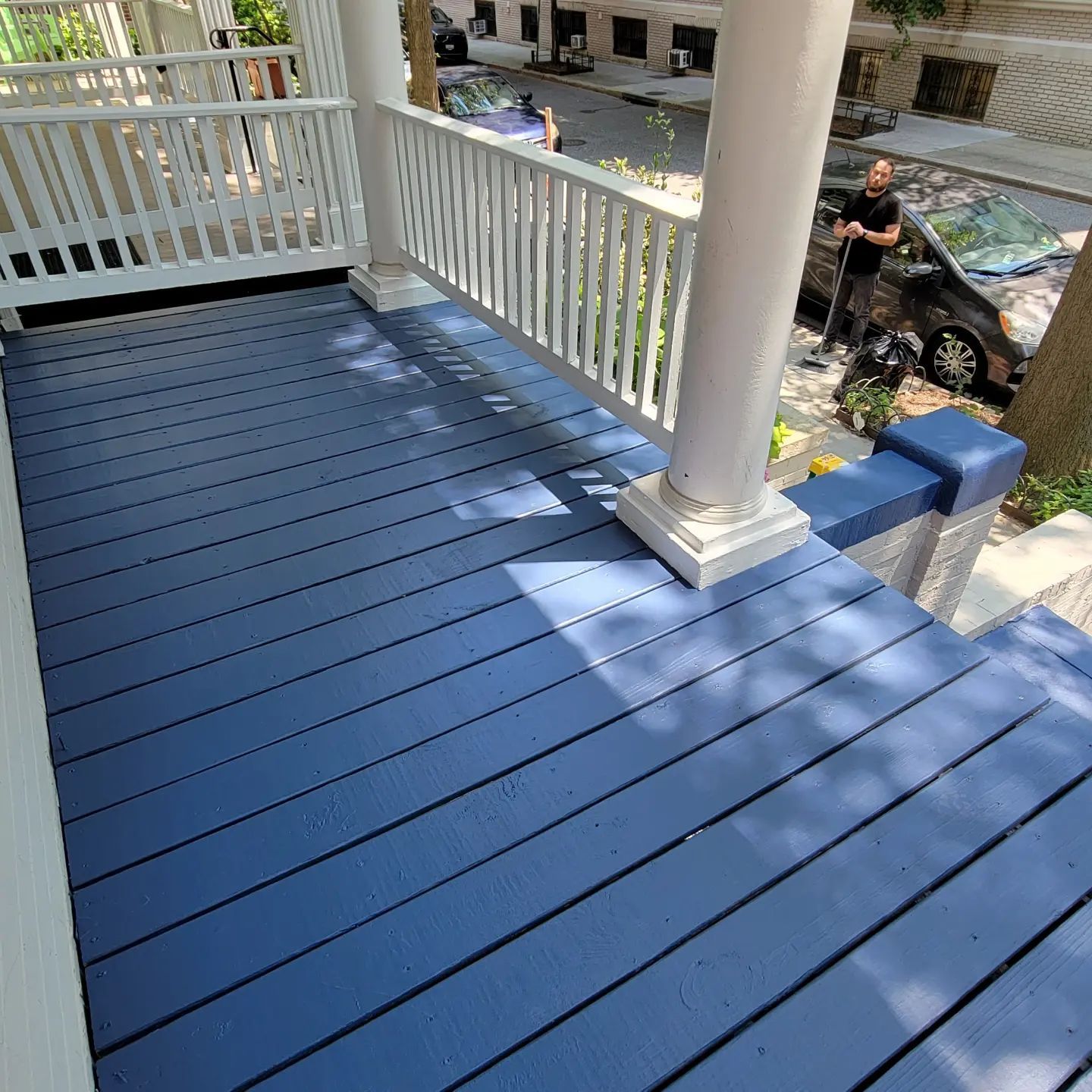
Why Drainage Systems Matter for Deck Longevity
Footings below frost line stay stable during winter freeze-thaw cycles that would otherwise shift shallow posts upward and crack ledger board connections to the house. French drain installation channels water away before it saturates soil under the deck, preventing the perpetually damp conditions where wood rot thrives even on treated lumber. Downspout redirection sends roof water to appropriate drainage points rather than concentrating it at foundation walls where it seeps under decking and causes both deck damage and foundation moisture problems.
After construction finishes, you'll notice water drains away from the deck area instead of pooling underneath, the structure stays level through winter without posts heaving upward, and wood maintains better condition because it dries between rain events rather than staying constantly damp. Foundation walls near the deck remain dry since roof water gets directed elsewhere, and the deck itself shows no signs of premature rot at joists or ledger connections where moisture damage typically starts. The structure handles Northern Virginia weather patterns without deteriorating faster than the materials should allow.
The licensed contractor approach means structural assessment happens before design finalization, incorporating drainage requirements and foundation conditions into the deck plan rather than discovering problems during construction. Everything gets handled in-house from excavation through final decking installation, with bilingual communication available throughout the project.
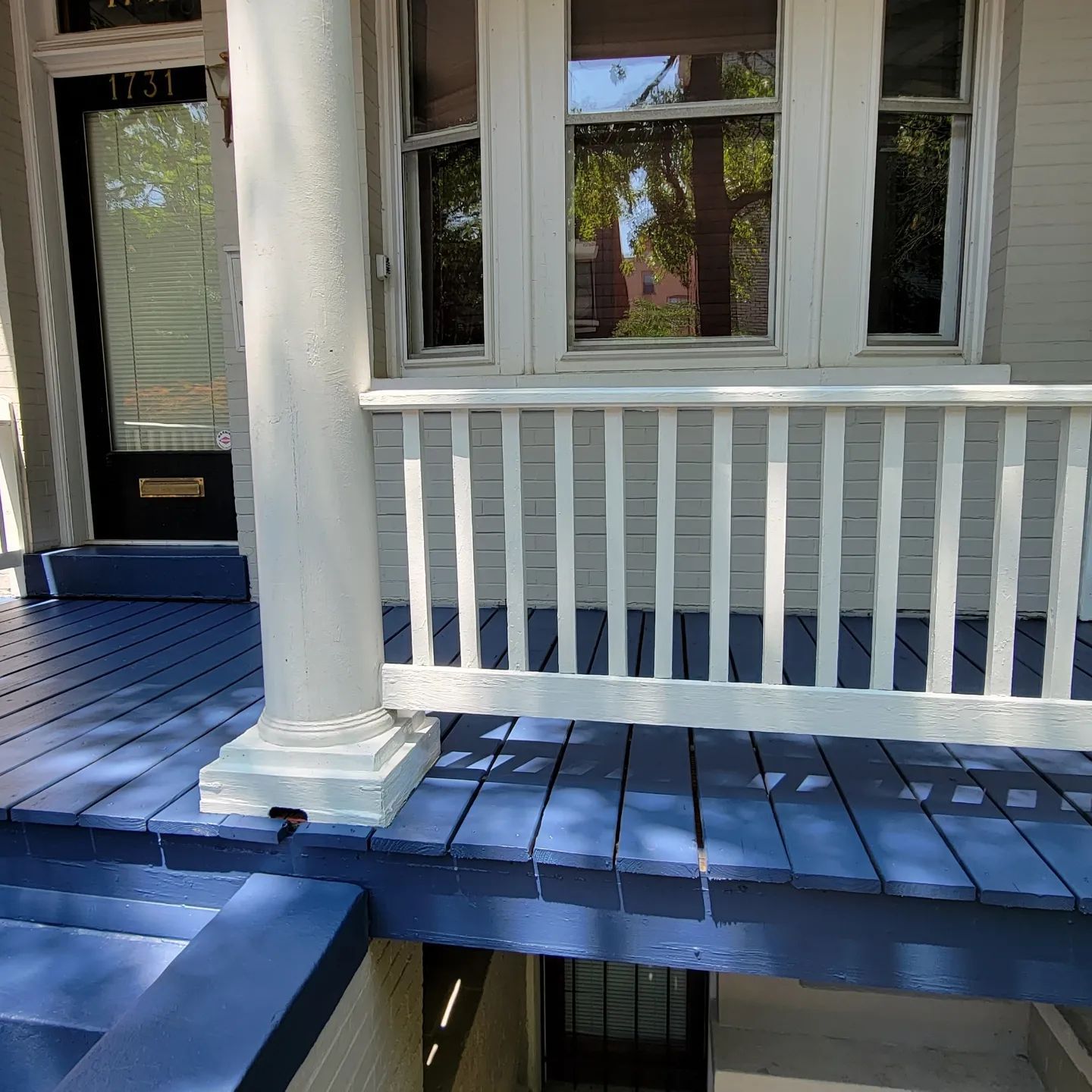
Questions Before Starting Deck Projects
Homeowners typically ask these questions when they're comparing deck builders or dealing with properties that have drainage concerns.
What frost depth do deck footings require in Dumfries?
Footings need to extend at least 30 inches below grade to sit below the frost line, preventing winter frost heaving that pushes shallow footings upward and damages deck connections.
How do French drains prevent deck rot?
Perimeter drains intercept groundwater and surface runoff before it saturates soil under the deck, allowing that area to dry between storms rather than staying perpetually damp where wood rot and termite activity thrive.
Why does downspout redirection matter for deck construction?
Roof water concentrates large volumes at discharge points, creating saturated conditions that cause foundation moisture problems and deck rot when downspouts drain near or under deck structures.
What makes Northern Virginia weather particularly hard on decks?
Freeze-thaw cycles shift shallow footings, high humidity during summer slows wood drying between rains, and clay soils retain moisture longer than sandy soils, creating conditions where drainage management becomes critical for deck longevity.
When should deck construction happen on properties with existing drainage problems?
Water issues need resolution before or during deck installation rather than after, since correcting drainage under a completed deck requires partial demolition and costs more than addressing problems during initial construction.
New Solutions Developments works as a second-generation construction company handling all deck construction phases in-house, from drainage correction through final railings. Arrange a site consultation to review your property's drainage patterns and deck location options.